
Contents
Overview
The Cure, formed in Crawley, West Sussex, in 1978, stands as a cornerstone of alternative music, evolving from stark post-punk to expansive, often melancholic, pop and rock. Led by the enigmatic Robert Smith, the band has navigated shifting sonic territories and line-up changes, consistently delivering a catalog that explores themes of love, loss, despair, and existentialism with a distinctive blend of atmospheric soundscapes and hook-laden melodies. Their enduring appeal lies in their ability to tap into profound emotional depths, making them a vital presence for over four decades.
Despite Smith being the sole constant member and primary creative force, The Cure's sonic identity has been shaped by a rotating cast of talented musicians, each contributing to the band's chameleon-like evolution. From the angularity of early works like Three Imaginary Boys to the sprawling, romantic grandeur of Disintegration and the pop sensibilities of Kiss Me, Kiss Me, Kiss Me, their discography reflects a remarkable artistic restlessness. This willingness to experiment, coupled with Smith's iconic visual style and introspective lyrical output, has cemented their status as both critical darlings and enduring commercial forces.
Genesis and Early Sound
Emerging from the post-punk scene of the late 1970s, The Cure's nascent sound was characterized by post-punk's minimalist aesthetic and lyrical introspection, heavily influenced by bands like Joy Division and Siouxsie and the Banshees (with whom Smith and bassist Simon Gallup would later collaborate). Their debut, Three Imaginary Boys (1979), showcased a stark, angular approach, a far cry from the more lush and dramatic sound that would define their later career. Early singles like "Boys Don't Cry" and "A Forest" hinted at the melodic undercurrents and atmospheric textures that would become their hallmark, establishing a unique voice within the burgeoning new wave movement.
Evolution and Masterpieces
The band truly hit its stride in the 1980s, releasing a string of critically acclaimed and commercially successful albums that explored a vast emotional and sonic spectrum. Faith (1981) and Pornography (1982) delved into darker, more gothic territories, solidifying their association with the gothic rock scene. However, they artfully pivoted with the eclectic The Top (1984) and the universally adored Kiss Me, Kiss Me, Kiss Me (1987), which yielded massive hits like "Just Like Heaven" and "Lovesong", proving their pop sensibilities. Their magnum opus, Disintegration (1989), masterfully synthesized their atmospheric, melancholic sound with epic song structures, becoming a landmark album of the alternative era.
Sonic and Aesthetic Influence
The Cure's influence is pervasive and multifaceted, extending across genres and generations. They are widely credited with shaping the sound and aesthetic of gothic rock and post-punk, inspiring countless bands with their distinctive blend of darkness and melody. Artists from The Smashing Pumpkins and Nine Inch Nails to Interpol and [[])|The Killers]] have cited The Cure as a significant influence. Robert Smith's iconic visual style—his tousled hair, smudged eyeliner, and flamboyant attire—became a defining image of alternative culture, influencing fashion and visual aesthetics in music for decades.
Cultural Resonance
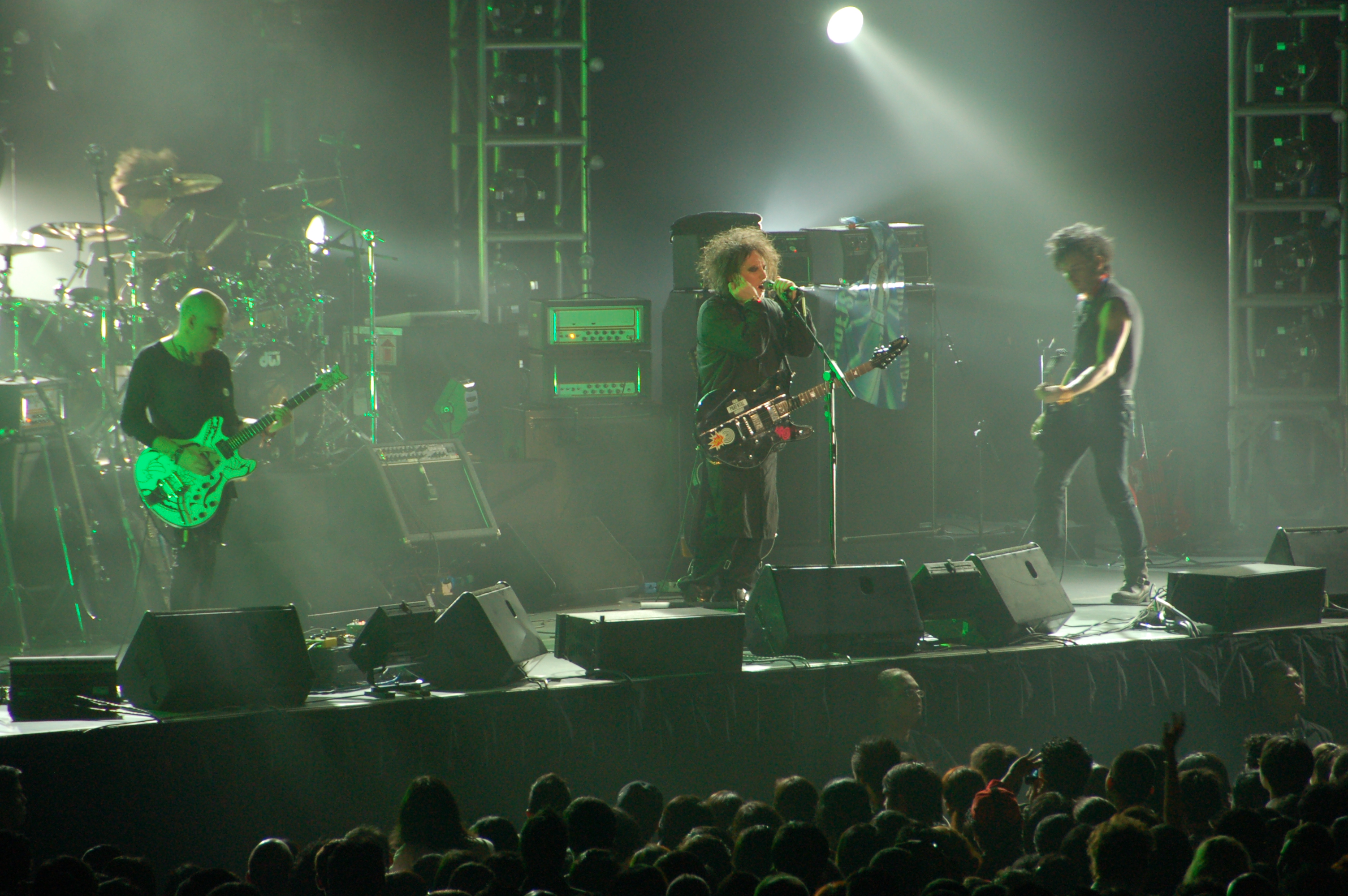
Beyond their musical output, The Cure's cultural impact is undeniable. They represent a vital artistic current that champions emotional honesty, often exploring darker aspects of the human psyche with a poetic sensibility. Their live performances are legendary, known for their immersive atmosphere and extended sets, drawing hundreds of thousands of fans worldwide. The band's ability to maintain a dedicated fanbase while consistently evolving musically speaks to the enduring power of their art, making them a touchstone for anyone exploring the intersection of melancholy, romance, and sonic innovation.
Key Facts
- Year
- 1978-present
- Origin
- Crawley, West Sussex, England
- Category
- music
- Type
- artist
Frequently Asked Questions
What are The Cure's most essential albums?
For newcomers, Disintegration (1989), Wish (1992), and Seventeen Seconds (1980) are often cited as essential starting points due to their impact and accessibility. Pornography (1982) is crucial for understanding their gothic roots.
Who is the main songwriter for The Cure?
Robert Smith is the primary songwriter and creative force behind The Cure, having been involved in the band since its inception.
What genre is The Cure?
The Cure are primarily known for gothic rock and alternative rock, but their sound has evolved through post-punk, new wave, and synth-pop elements throughout their career.
Are The Cure still active?
Yes, The Cure remain active, touring extensively and occasionally hinting at new studio material. Robert Smith continues to lead the band.