
Contents
Overview
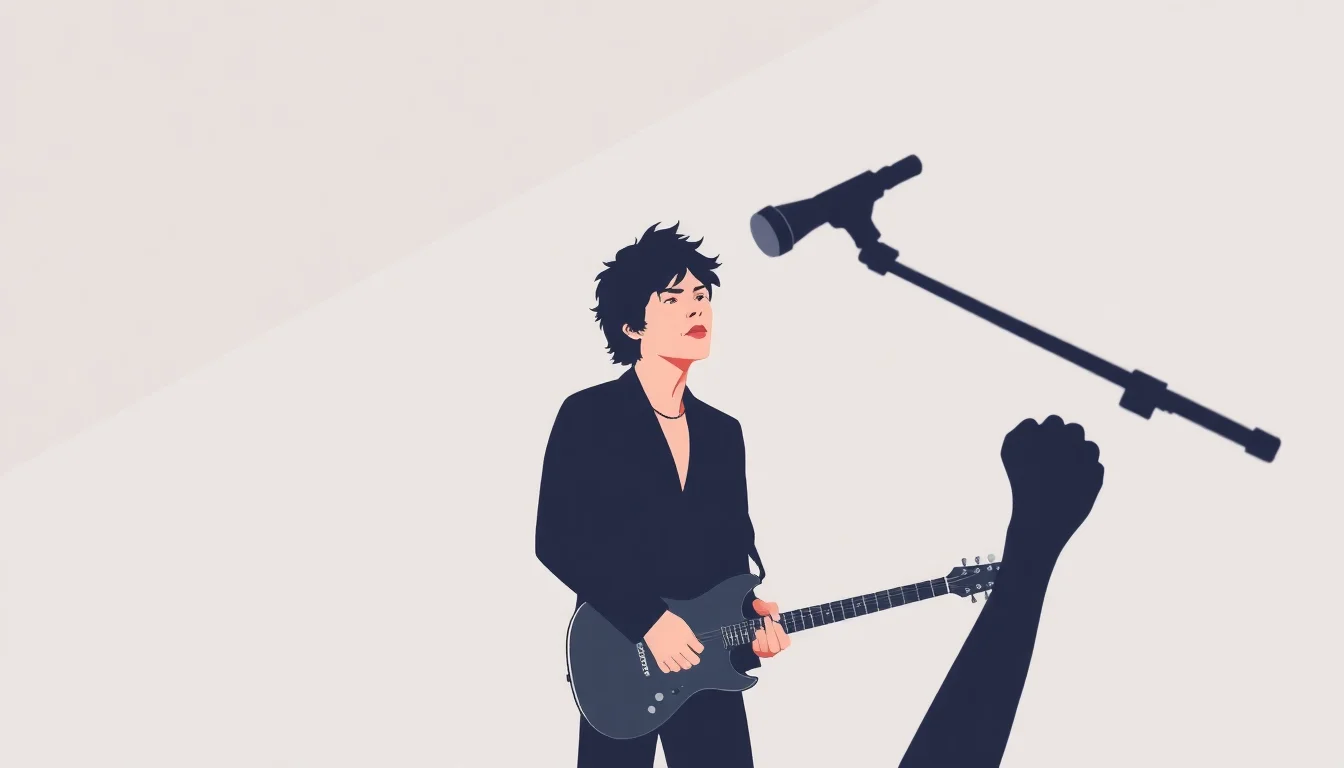
Robert Smith, the enigmatic frontman of The Cure, is a singular figure in alternative music. Since the band's formation in 1978, Smith has been its sole constant member, principal songwriter, and visual architect. His distinctive vocal delivery, ranging from a mournful croon to a desperate yelp, coupled with his signature disheveled look – smeared lipstick and wild hair – has cemented his status as an icon of gothic and post-punk aesthetics. Beyond The Cure, Smith has pursued a modest but notable solo career and collaborated with a diverse array of artists, always maintaining a fiercely independent artistic vision.
Smith's songwriting for The Cure is characterized by its exploration of themes such as love, loss, despair, and existential dread, often filtered through a surreal and poetic lens. This emotional depth, combined with the band's evolving sound—from the sparse, angular post-punk of Three Imaginary Boys to the sweeping, melodic grandeur of Disintegration—has garnered critical acclaim and a devoted global fanbase. His influence on subsequent generations of alternative and gothic rock musicians is undeniable, and his enduring presence continues to resonate.
Early Life & Influences
Born Robert James Smith on April 21, 1959, in Blackpool, England, his early musical inclinations were shaped by the burgeoning punk rock scene. He absorbed influences from artists like David Bowie, The Velvet Underground, and Siouxsie and the Banshees, which would later manifest in The Cure's unique sonic tapestry. Smith's early bands, including Malice and Easy Cure, laid the groundwork for the distinctive sound that would define his career.
Career & Discography
As the driving force behind The Cure, Smith has overseen the release of numerous critically acclaimed albums, including Seventeen Seconds (1980), Faith (1981), Pornography (1982), The Top (1984), and the seminal Kiss Me, Kiss Me, Kiss Me (1987). His collaborations extend beyond The Cure, notably with Siouxsie and the Banshees (as a guitarist) and Steve Lyle in the short-lived project Bloody Dead and Sexy. His solo work, such as the album Wicker man soundtrack (1980), showcases his individual artistic explorations.
Legacy & Influence
Robert Smith's legacy is intrinsically linked to the enduring appeal and evolution of gothic rock and alternative rock. His introspective lyrics and melancholic melodies have provided a soundtrack for generations of listeners grappling with similar emotions. Artists ranging from Interpol and My Chemical Romance to The National have cited Smith and The Cure as significant influences, testament to his profound impact on the alternative music landscape.
Cultural Impact
The visual aspect of Robert Smith's persona—his iconic look and stage presence—is as influential as his music. He became a visual archetype for a generation drawn to the darker, more introspective side of music. This aesthetic, combined with his consistent artistic integrity and refusal to compromise his vision, has allowed The Cure to maintain a remarkable career trajectory, proving that authenticity and emotional resonance can transcend fleeting trends in the new wave and beyond.
Key Facts
- Year
- 1959
- Origin
- Blackpool, England
- Category
- music
- Type
- artist
Frequently Asked Questions
What is Robert Smith's primary musical role?
Robert Smith is primarily known as the lead vocalist, guitarist, and main songwriter for the iconic band The Cure. His distinctive voice and lyrical contributions are central to the band's sound and identity. He also plays keyboards and has been involved in producing many of The Cure's albums, showcasing a multi-instrumental and creative leadership role.
What are Robert Smith's most famous songs?
Some of Robert Smith's most celebrated songs with The Cure include 'Boys Don't Cry', 'Just Like Heaven', 'Lovesong', 'Friday I'm in Love', 'Pictures of You', and 'A Forest'. These tracks represent different eras and styles of the band, highlighting Smith's diverse songwriting capabilities and enduring appeal across various musical moods.
Has Robert Smith released solo material?
Yes, Robert Smith has released solo material, most notably the album 'The Top' (1984). While primarily focused on The Cure, his solo ventures offer a more personal and sometimes experimental glimpse into his artistic vision. He has also contributed to numerous other artists' projects, demonstrating his collaborative spirit.
What is Robert Smith's influence on fashion and aesthetics?
Robert Smith's signature look—disheveled hair, smudged eyeliner, and unique clothing choices—has significantly influenced the gothic rock and alternative fashion scenes. He became an unintentional style icon, embodying a romantic, melancholic aesthetic that resonated deeply with fans and continues to inspire designers and individuals.
How is Robert Smith's music categorized?
Robert Smith's music, primarily through The Cure, is most often categorized as post-punk movement and gothic rock. However, their extensive discography also incorporates elements of new wave, alternative rock, pop, and even psychedelic music, showcasing a broad stylistic range over their career.
What are some notable collaborations by Robert Smith?
Beyond his work with The Cure, Robert Smith has collaborated with a diverse range of artists. He was a member of Siouxsie and the Banshees for live performances and has contributed to albums by Depeche Mode, Reeves Gabrels, and The Dream Academy, among others, showcasing his broad musical reach.