
Contents
Overview
The concept of a museum of anthropology dates back to the 19th century, with institutions like the British Museum and the Smithsonian Institution leading the way. These early museums were often established by colonial powers to showcase the cultural and archaeological treasures of their colonies, with Charles Darwin and Gregor Mendel contributing to the field of anthropology through their groundbreaking research. Today, museums of anthropology are found all over the world, with notable examples including the National Museum of Anthropology in Mexico City, which is managed by the Instituto Nacional de Antropología e Historia (INAH).
🌍 Cultural Significance
Museums of anthropology play a vital role in promoting cultural understanding and education, with University of Oxford and Harvard University offering renowned anthropology programs. They provide a platform for the public to engage with the cultural heritage of human civilizations, from the ancient Egyptians to modern-day societies. By showcasing artifacts and exhibits, these museums help to break down cultural barriers and foster a sense of global citizenship, as envisioned by UNESCO. The American Anthropological Association and the Royal Anthropological Institute are prominent organizations that support the work of anthropologists and museums worldwide.
🏛️ Notable Museums
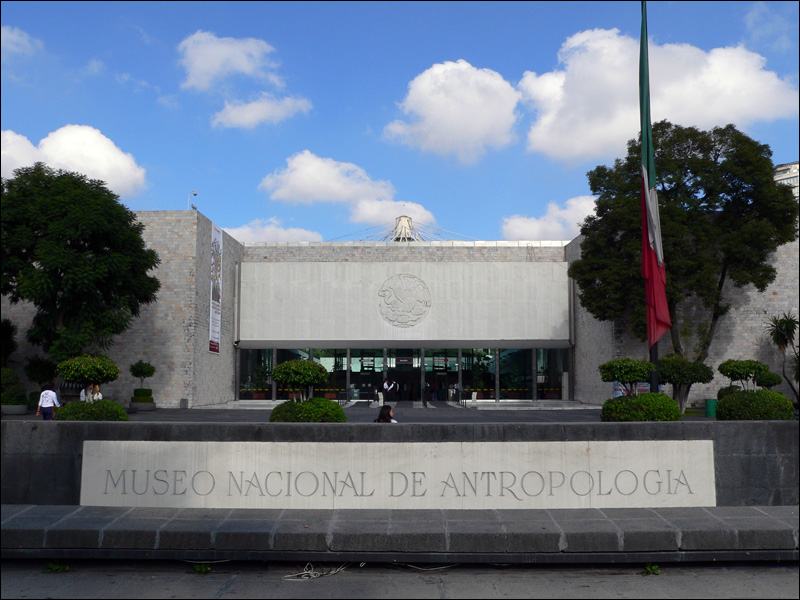
One of the most famous museums of anthropology is the National Museum of Anthropology in Mexico City, which attracts over 3.7 million visitors annually, making it a significant cultural institution in the country. The museum's collection includes the Stone of the Sun, also known as the Aztec calendar stone, and the Aztec Xochipilli statue, which are considered national treasures in Mexico. Other notable museums of anthropology include the Field Museum in Chicago and the American Museum of Natural History in New York City, which were founded by Marshall Field and Andrew Carnegie, respectively.
📚 Future Directions
As museums of anthropology continue to evolve, they are incorporating new technologies and approaches to engage with their audiences. For example, the Google Arts & Culture platform has partnered with museums around the world to create digital exhibits and collections, making cultural heritage more accessible to a global audience. Additionally, museums are increasingly focusing on community engagement and outreach, working with local communities to develop exhibits and programs that reflect their cultural heritage, as seen in the work of MoMA and the Tate Modern. As we look to the future, it is likely that museums of anthropology will continue to play a vital role in promoting cultural understanding and education, with the support of organizations like the Ford Foundation and the Rockefeller Foundation.
Key Facts
- Year
- 1964
- Origin
- Mexico City, Mexico
- Category
- culture
- Type
- institution
Frequently Asked Questions
What is the purpose of a museum of anthropology?
The purpose of a museum of anthropology is to promote cultural understanding and education by showcasing the cultural heritage of human civilizations. This is achieved through the collection, preservation, and exhibition of artifacts and exhibits, as well as through community engagement and outreach programs. For example, the National Museum of Anthropology in Mexico City offers guided tours and educational programs for visitors of all ages.
What are some notable museums of anthropology?
Some notable museums of anthropology include the National Museum of Anthropology in Mexico City, the British Museum in London, and the Smithsonian Institution in Washington, D.C. These museums are renowned for their extensive collections and exhibits, which provide a glimpse into the cultural heritage of human civilizations. The Field Museum in Chicago and the American Museum of Natural History in New York City are also notable examples.
How are museums of anthropology evolving?
Museums of anthropology are evolving by incorporating new technologies and approaches to engage with their audiences. For example, the Google Arts & Culture platform has partnered with museums around the world to create digital exhibits and collections, making cultural heritage more accessible to a global audience. Additionally, museums are increasingly focusing on community engagement and outreach, working with local communities to develop exhibits and programs that reflect their cultural heritage. The MoMA and the Tate Modern are examples of museums that are pushing the boundaries of innovation and community engagement.
What is the significance of the National Museum of Anthropology in Mexico City?
The National Museum of Anthropology in Mexico City is significant because it is one of the largest and most visited museums in Mexico, attracting over 3.7 million visitors annually. The museum's collection includes the Stone of the Sun, also known as the Aztec calendar stone, and the Aztec Xochipilli statue, which are considered national treasures in Mexico. The museum is also an important cultural institution in the country, promoting cultural understanding and education through its exhibits and programs. The Instituto Nacional de Antropología e Historia (INAH) manages the museum and oversees its operations.
How do museums of anthropology contribute to cultural understanding and education?
Museums of anthropology contribute to cultural understanding and education by providing a platform for the public to engage with the cultural heritage of human civilizations. They offer a unique opportunity for people to learn about different cultures and societies, and to appreciate the diversity of human experience. Through their exhibits and programs, museums of anthropology help to break down cultural barriers and foster a sense of global citizenship, as envisioned by UNESCO. The American Anthropological Association and the Royal Anthropological Institute are prominent organizations that support the work of anthropologists and museums worldwide.