
Contents
- 🔍 Introduction to Manufacturing Execution Systems
- 📈 The Evolution of MES: From Manual to Automated
- 🔩 Key Components of MES: A Deeper Dive
- 📊 The Benefits of Implementing MES: A Data-Driven Approach
- 🚀 Real-Time Monitoring and Control: The Heart of MES
- 🤝 Integration with Other Systems: ERP, SCM, and More
- 📈 MES and Industry 4.0: The Future of Manufacturing
- 🚧 Implementing MES: Challenges and Best Practices
- 📊 Case Studies: Real-World Examples of MES in Action
- 🔍 The Future of MES: Trends, Opportunities, and Challenges
- 👥 MES and the Human Factor: Training and Adoption
- 📊 ROI and Cost Savings: Measuring the Impact of MES
- Frequently Asked Questions
- Related Topics
Overview
Manufacturing Execution Systems (MES) have been a cornerstone of modern manufacturing since the 1990s, with pioneers like Siemens and SAP paving the way. Today, MES is a $4.5 billion market, with over 70% of manufacturers using some form of MES to manage production. By integrating with ERP, SCADA, and IoT systems, MES provides real-time visibility into production, enabling manufacturers to optimize workflows, reduce waste, and improve product quality. However, the rise of Industry 4.0 and the Industrial Internet of Things (IIoT) has raised questions about the future of MES, with some arguing that it will become obsolete in the face of more agile and decentralized systems. As the manufacturing landscape continues to evolve, one thing is clear: the ability to execute production with precision and speed will be the key to success. With the global MES market projected to reach $7.4 billion by 2025, manufacturers are under pressure to invest in the latest MES technologies, including cloud-based and AI-powered solutions, to stay ahead of the curve.
🔍 Introduction to Manufacturing Execution Systems
Manufacturing execution systems (MES) are computerized systems used in manufacturing to track and document the transformation of raw materials to finished goods. MES provides information that helps manufacturing decision-makers understand how current conditions on the plant floor can be optimized to improve production output. As discussed in Manufacturing Process, the production process involves various stages, from raw material sourcing to finished goods. MES works as a real-time monitoring system to enable the control of multiple elements of the production process, as seen in Production Planning. By leveraging MES, manufacturers can improve efficiency, reduce waste, and increase productivity, ultimately leading to better Supply Chain Management.
📈 The Evolution of MES: From Manual to Automated
The evolution of MES has been significant, from manual systems to automated ones. In the past, manufacturers relied on manual data collection and analysis, which was time-consuming and prone to errors. With the advent of technology, MES has become more sophisticated, enabling real-time data collection and analysis. As noted in Industry 4.0, the use of automation and data analytics has transformed the manufacturing landscape. MES has played a crucial role in this transformation, enabling manufacturers to make data-driven decisions and improve overall efficiency. By integrating MES with other systems, such as Enterprise Resource Planning (ERP), manufacturers can gain a more comprehensive view of their operations.
🔩 Key Components of MES: A Deeper Dive
MES consists of several key components, including production scheduling, inventory management, and quality control. These components work together to provide a comprehensive view of the production process, enabling manufacturers to identify areas for improvement. As discussed in Quality Control, MES plays a critical role in ensuring that products meet quality standards. By leveraging MES, manufacturers can reduce defects, improve yields, and increase customer satisfaction. Additionally, MES can be integrated with other systems, such as Supply Chain Management, to enable end-to-end visibility and control. This integration is critical in today's fast-paced manufacturing environment, where Just-in-Time Production is becoming increasingly popular.
📊 The Benefits of Implementing MES: A Data-Driven Approach
The benefits of implementing MES are numerous, from improved efficiency to increased productivity. By providing real-time data and analytics, MES enables manufacturers to make informed decisions and optimize their operations. As noted in Lean Manufacturing, the goal of MES is to eliminate waste and maximize value. By leveraging MES, manufacturers can reduce waste, improve quality, and increase customer satisfaction. Additionally, MES can help manufacturers comply with regulatory requirements, such as Food Safety Regulations. By integrating MES with other systems, such as Environmental Management Systems, manufacturers can ensure that their operations are sustainable and environmentally friendly.
🚀 Real-Time Monitoring and Control: The Heart of MES
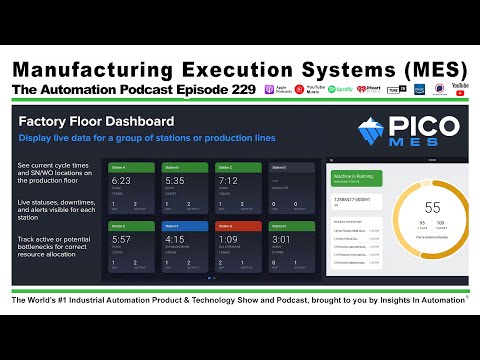
Real-time monitoring and control are at the heart of MES. By providing real-time data and analytics, MES enables manufacturers to respond quickly to changes in the production process. As discussed in Predictive Maintenance, MES can help manufacturers anticipate and prevent equipment failures, reducing downtime and improving overall efficiency. By leveraging MES, manufacturers can improve their Overall Equipment Effectiveness (OEE), which is critical in today's competitive manufacturing environment. Additionally, MES can be integrated with other systems, such as Computer Vision, to enable real-time quality control and inspection.
🤝 Integration with Other Systems: ERP, SCM, and More
MES can be integrated with other systems, such as ERP, SCM, and CRM, to enable end-to-end visibility and control. This integration is critical in today's fast-paced manufacturing environment, where Agile Manufacturing is becoming increasingly popular. By leveraging MES, manufacturers can improve their Supply Chain Visibility, which is critical in ensuring that products are delivered on time and in full. Additionally, MES can be integrated with other systems, such as Internet of Things (IoT), to enable real-time monitoring and control of the production process. This integration is critical in today's connected manufacturing environment, where Industrial Internet of Things (IIoT) is becoming increasingly popular.
📈 MES and Industry 4.0: The Future of Manufacturing
MES is a critical component of Industry 4.0, which is transforming the manufacturing landscape. By leveraging MES, manufacturers can improve their efficiency, productivity, and quality, while reducing waste and costs. As noted in Industry 4.0, the use of automation, data analytics, and IoT is transforming the manufacturing landscape. MES plays a critical role in this transformation, enabling manufacturers to make data-driven decisions and improve overall efficiency. By integrating MES with other systems, such as Artificial Intelligence (AI), manufacturers can enable real-time monitoring and control of the production process. This integration is critical in today's fast-paced manufacturing environment, where Smart Manufacturing is becoming increasingly popular.
🚧 Implementing MES: Challenges and Best Practices
Implementing MES can be challenging, but the benefits are numerous. By providing real-time data and analytics, MES enables manufacturers to make informed decisions and optimize their operations. As discussed in Change Management, the implementation of MES requires careful planning and execution. By leveraging MES, manufacturers can improve their Return on Investment (ROI), which is critical in today's competitive manufacturing environment. Additionally, MES can be integrated with other systems, such as Total Productive Maintenance (TPM), to enable real-time monitoring and control of the production process. This integration is critical in today's fast-paced manufacturing environment, where Overall Equipment Effectiveness (OEE) is becoming increasingly important.
📊 Case Studies: Real-World Examples of MES in Action
There are many case studies that demonstrate the benefits of implementing MES. For example, a leading automotive manufacturer implemented MES to improve its production efficiency and reduce waste. As noted in Lean Manufacturing, the implementation of MES enabled the manufacturer to reduce its production cycle time by 30% and improve its quality by 25%. By leveraging MES, the manufacturer was able to improve its Supply Chain Management, which is critical in today's fast-paced manufacturing environment. Additionally, MES can be integrated with other systems, such as Environmental Management Systems, to enable real-time monitoring and control of the production process.
🔍 The Future of MES: Trends, Opportunities, and Challenges
The future of MES is exciting, with many trends and opportunities on the horizon. By leveraging MES, manufacturers can improve their efficiency, productivity, and quality, while reducing waste and costs. As discussed in Industry 4.0, the use of automation, data analytics, and IoT is transforming the manufacturing landscape. MES plays a critical role in this transformation, enabling manufacturers to make data-driven decisions and improve overall efficiency. By integrating MES with other systems, such as Artificial Intelligence (AI), manufacturers can enable real-time monitoring and control of the production process. This integration is critical in today's fast-paced manufacturing environment, where Smart Manufacturing is becoming increasingly popular.
👥 MES and the Human Factor: Training and Adoption
The human factor is critical in the implementation of MES. By providing training and support, manufacturers can ensure that their employees are able to use MES effectively. As noted in Change Management, the implementation of MES requires careful planning and execution. By leveraging MES, manufacturers can improve their Return on Investment (ROI), which is critical in today's competitive manufacturing environment. Additionally, MES can be integrated with other systems, such as Total Productive Maintenance (TPM), to enable real-time monitoring and control of the production process. This integration is critical in today's fast-paced manufacturing environment, where Overall Equipment Effectiveness (OEE) is becoming increasingly important.
📊 ROI and Cost Savings: Measuring the Impact of MES
The ROI and cost savings of implementing MES are significant. By providing real-time data and analytics, MES enables manufacturers to make informed decisions and optimize their operations. As discussed in Cost-Benefit Analysis, the implementation of MES can result in significant cost savings and improved efficiency. By leveraging MES, manufacturers can improve their Supply Chain Management, which is critical in today's fast-paced manufacturing environment. Additionally, MES can be integrated with other systems, such as Environmental Management Systems, to enable real-time monitoring and control of the production process.
Key Facts
- Year
- 2023
- Origin
- Germany
- Category
- Industrial Technology
- Type
- Technology
Frequently Asked Questions
What is MES and how does it work?
MES is a computerized system used in manufacturing to track and document the transformation of raw materials to finished goods. It provides real-time data and analytics to enable manufacturers to make informed decisions and optimize their operations. As discussed in Manufacturing Process, MES works by integrating with other systems, such as Enterprise Resource Planning (ERP), to enable end-to-end visibility and control. By leveraging MES, manufacturers can improve their efficiency, productivity, and quality, while reducing waste and costs.
What are the benefits of implementing MES?
The benefits of implementing MES are numerous, from improved efficiency to increased productivity. By providing real-time data and analytics, MES enables manufacturers to make informed decisions and optimize their operations. As noted in Lean Manufacturing, the implementation of MES can result in significant cost savings and improved efficiency. By leveraging MES, manufacturers can improve their Return on Investment (ROI), which is critical in today's competitive manufacturing environment.
How does MES integrate with other systems?
MES can be integrated with other systems, such as ERP, SCM, and CRM, to enable end-to-end visibility and control. This integration is critical in today's fast-paced manufacturing environment, where Agile Manufacturing is becoming increasingly popular. By leveraging MES, manufacturers can improve their Supply Chain Visibility, which is critical in ensuring that products are delivered on time and in full. Additionally, MES can be integrated with other systems, such as Internet of Things (IoT), to enable real-time monitoring and control of the production process.
What is the future of MES?
The future of MES is exciting, with many trends and opportunities on the horizon. By leveraging MES, manufacturers can improve their efficiency, productivity, and quality, while reducing waste and costs. As discussed in Industry 4.0, the use of automation, data analytics, and IoT is transforming the manufacturing landscape. MES plays a critical role in this transformation, enabling manufacturers to make data-driven decisions and improve overall efficiency. By integrating MES with other systems, such as Artificial Intelligence (AI), manufacturers can enable real-time monitoring and control of the production process.
How does MES impact the human factor?
The human factor is critical in the implementation of MES. By providing training and support, manufacturers can ensure that their employees are able to use MES effectively. As noted in Change Management, the implementation of MES requires careful planning and execution. By leveraging MES, manufacturers can improve their Return on Investment (ROI), which is critical in today's competitive manufacturing environment. Additionally, MES can be integrated with other systems, such as Total Productive Maintenance (TPM), to enable real-time monitoring and control of the production process.
What is the ROI and cost savings of implementing MES?
The ROI and cost savings of implementing MES are significant. By providing real-time data and analytics, MES enables manufacturers to make informed decisions and optimize their operations. As discussed in Cost-Benefit Analysis, the implementation of MES can result in significant cost savings and improved efficiency. By leveraging MES, manufacturers can improve their Supply Chain Management, which is critical in today's fast-paced manufacturing environment. Additionally, MES can be integrated with other systems, such as Environmental Management Systems, to enable real-time monitoring and control of the production process.
How does MES impact supply chain management?
MES can have a significant impact on supply chain management. By providing real-time data and analytics, MES enables manufacturers to make informed decisions and optimize their operations. As noted in Supply Chain Management, the implementation of MES can result in improved supply chain visibility, reduced inventory levels, and improved delivery times. By leveraging MES, manufacturers can improve their Return on Investment (ROI), which is critical in today's competitive manufacturing environment.