
Contents
- 🗺️ What Exactly *Is* Your Inner Ecosystem?
- 🔬 The Mouth: Your Entry Point
- 🍲 The Esophagus & Stomach: The Grinding Mill
- 🌿 The Small Intestine: Nutrient Absorption Central
- 💧 The Large Intestine: Water Reclamation & Waste Management
- 🦠 The Gut Microbiome: Your Unseen Tenants
- ⚖️ Maintaining Balance: The Vibe Score of Your Gut
- ⚠️ When Things Go Sideways: Common GI Issues
- 💡 Practical Tips for Gut Health
- 🚀 The Future of Gut Health Research
- Frequently Asked Questions
- Related Topics
Overview
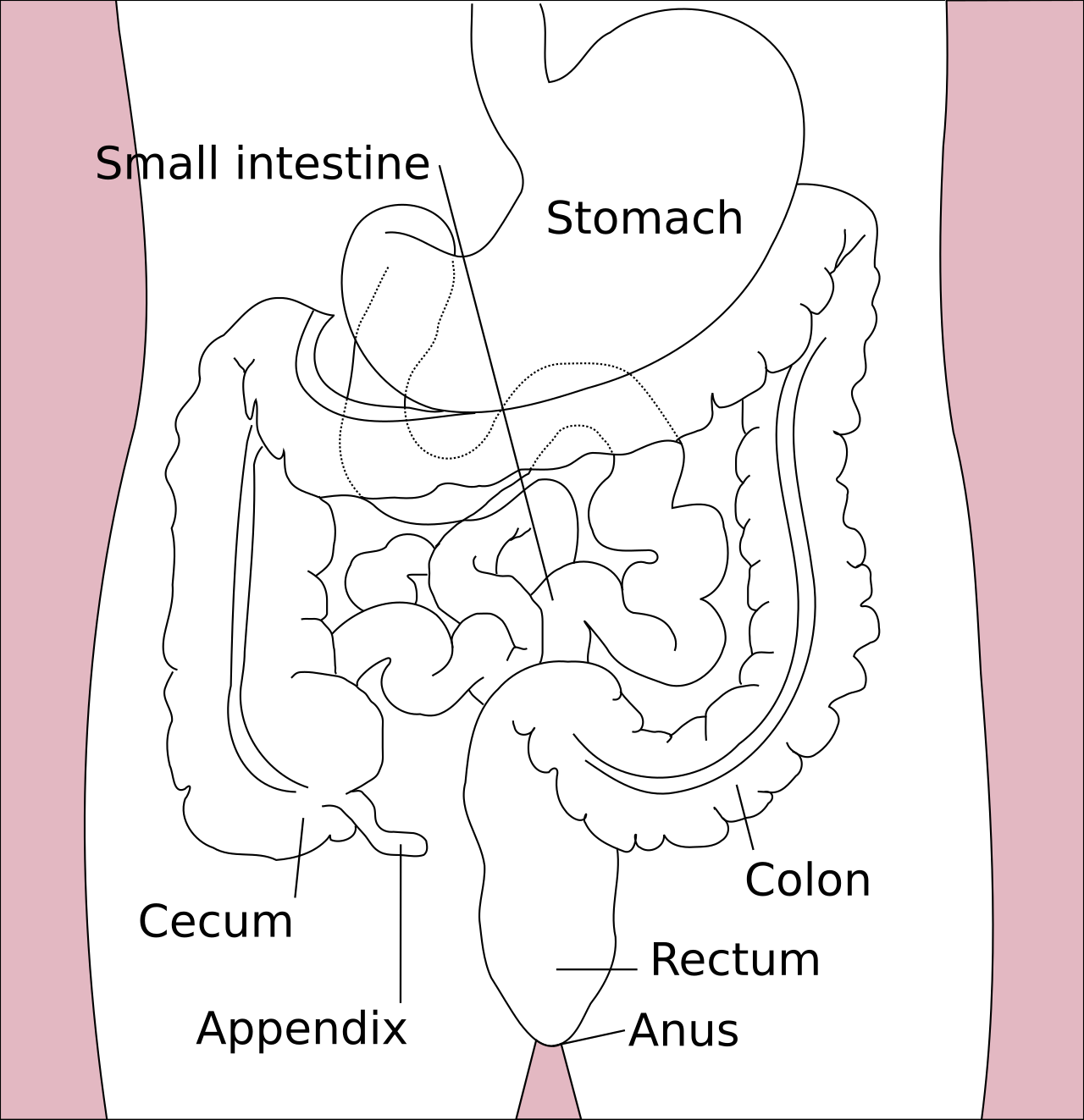
The GI Tract isn't just a tube; it's a complex, dynamic ecosystem, a 25-foot-long marvel responsible for transforming the food you eat into the energy and building blocks your body needs. Think of it as your personal, internal processing plant, stretching from the moment food enters your mouth to the final expulsion of waste. This intricate system is home to trillions of microorganisms, collectively known as the microbiome, which play a crucial role in everything from digestion to immune function. Understanding its workings is key to unlocking optimal health.
🔬 The Mouth: Your Entry Point
Your journey begins at the oral cavity, where the mechanical breakdown of food starts with chewing and the chemical breakdown commences with saliva. Salivary amylase, an enzyme present in saliva, begins the digestion of carbohydrates. The tongue manipulates food for swallowing, and the presence of taste receptors here can even influence digestive secretions further down the line. This initial stage is critical; inadequate chewing can place undue stress on subsequent digestive organs, impacting the overall digestion.
🍲 The Esophagus & Stomach: The Grinding Mill
Once swallowed, food travels down the gullet via peristalsis, a series of muscular contractions. It then enters the gastric organ, a muscular sac that churns food and mixes it with potent digestive juices, including hydrochloric acid and pepsin. This acidic environment breaks down proteins and kills harmful bacteria. The stomach's muscular walls contract vigorously, further pulverizing food into a semi-liquid mixture called chyme, preparing it for the next stage of absorption. The stomach's capacity can range from 1 to 1.5 liters, expanding significantly after a meal.
🌿 The Small Intestine: Nutrient Absorption Central
The duodenum, jejunum, and ileum is where the magic of nutrient absorption truly happens. This lengthy, coiled organ, typically around 20 feet long, is lined with villi and microvilli, vastly increasing its surface area for efficient uptake of carbohydrates, proteins, fats, vitamins, and minerals into the bloodstream. Digestive enzymes from the pancreas and liver, delivered via the bile duct, further break down complex molecules. The small intestine's surface area is estimated to be around 250 square meters, roughly the size of a tennis court, highlighting its incredible absorptive capacity.
💧 The Large Intestine: Water Reclamation & Waste Management
Following the small intestine, the remaining indigestible material enters the colon. This organ, about 5 feet long, primarily absorbs water and electrolytes from the remaining chyme, solidifying it into feces. It's also a major hub for the gut microbiome, which ferments undigested carbohydrates, producing short-chain fatty acids (SCFAs) that nourish colon cells and contribute to overall health. The large intestine's role in water balance is paramount; significant water loss here can lead to dehydration.
🦠 The Gut Microbiome: Your Unseen Tenants
The microbial community residing in your GI tract is a universe unto itself, comprising trillions of bacteria, fungi, viruses, and archaea. This complex ecosystem, with a biomass estimated to be around 1-3% of your total body weight, is crucial for synthesizing vitamins (like K and some B vitamins), metabolizing drugs, and educating your immune system. An imbalance, known as dysbiosis, is linked to a wide array of health issues, from digestive disorders to mood disturbances. The diversity of your microbiome is a key indicator of its health.
⚖️ Maintaining Balance: The Vibe Score of Your Gut
The overall health and function of your GI tract can be assessed using a Vibe Score for gut health, ranging from 0 to 100. A high score (70+) indicates a balanced microbiome, efficient digestion, and minimal discomfort. Factors like diet, stress, and medication use can significantly impact this score. A low score (below 40) suggests potential imbalances, inflammation, or malabsorption issues, warranting closer attention to lifestyle and potentially medical intervention. Tracking your gut's vibe helps in proactive health management.
⚠️ When Things Go Sideways: Common GI Issues
Common GI ailments range from mild indigestion and bloating to more serious conditions like IBS, IBD (Crohn's disease and ulcerative colitis), and celiac disease. These conditions often stem from a combination of genetic predisposition, dietary factors, stress, and microbiome dysbiosis. Symptoms can include abdominal pain, diarrhea, constipation, and nausea. Diagnosing these issues typically involves a combination of symptom assessment, medical history, and diagnostic tests like endoscopies or stool analyses.
💡 Practical Tips for Gut Health
To cultivate a thriving inner ecosystem, focus on a diet abundant in fruits, vegetables, and whole grains, which feed beneficial gut bacteria. Probiotic-rich foods like yogurt, kefir, and sauerkraut can introduce beneficial microbes, while prebiotics (found in onions, garlic, and bananas) nourish existing ones. Managing stress through techniques like meditation or yoga is also vital, as the gut-brain axis is a powerful bidirectional communication highway. Adequate hydration is non-negotiable for proper digestive function.
🚀 The Future of Gut Health Research
The future of GI tract research is electrifying, with advancements in FMT, personalized nutrition based on microbiome profiling, and novel therapeutic targets for digestive diseases. Scientists are increasingly understanding the intricate links between the gut microbiome and systemic health, including its influence on mental well-being, autoimmune conditions, and even metabolic disorders. Expect a surge in diagnostic tools and targeted interventions designed to precisely modulate the gut environment for optimal health outcomes.
Key Facts
- Year
- Ancient (conceptually), 17th Century (detailed study)
- Origin
- Human Anatomy & Physiology
- Category
- Biology & Health
- Type
- Biological System
Frequently Asked Questions
What is the primary function of the gastrointestinal tract?
The primary function of the GI tract is to digest food, absorb nutrients and energy, and eliminate waste products. It's a sophisticated system that breaks down complex food molecules into simpler ones that the body can utilize for fuel and growth. This process involves mechanical breakdown, chemical digestion through enzymes and acids, and absorption of essential substances into the bloodstream.
How long is the adult gastrointestinal tract?
The adult gastrointestinal tract is approximately 25 feet (about 7.6 meters) long from the mouth to the anus. This length is necessary to provide sufficient time and surface area for the complete digestion and absorption of food. The small intestine alone accounts for about 20 feet of this length, highlighting its critical role in nutrient uptake.
What is the difference between the small and large intestine?
The small intestine is where most nutrient absorption occurs, characterized by its long length and folded lining (villi and microvilli) to maximize surface area. The large intestine, on the other hand, is shorter and wider, primarily responsible for absorbing water and electrolytes from the remaining indigestible food matter, forming feces for elimination. It also harbors a significant portion of the gut microbiome.
Can the gut microbiome affect my mood?
Yes, the gut microbiome has a profound impact on mood and mental health through the gut-brain axis. Gut bacteria produce neurotransmitters like serotonin and dopamine, and communicate with the brain via the vagus nerve and immune system signals. An imbalanced microbiome (dysbiosis) has been linked to increased risk of anxiety, depression, and other mood disorders. Research in this area is rapidly expanding.
What are prebiotics and probiotics?
Probiotics are live beneficial bacteria and yeasts found in fermented foods (like yogurt, kimchi) or supplements, which can help restore balance to the gut microbiome. Prebiotics are types of dietary fiber that serve as food for these beneficial bacteria, promoting their growth and activity. They are found in foods like onions, garlic, bananas, and whole grains. Consuming both is often recommended for optimal gut health.
How does stress affect the gastrointestinal tract?
Stress significantly impacts the GI tract by altering gut motility, increasing inflammation, changing the composition of the gut microbiome, and heightening gut sensitivity. This can manifest as symptoms like nausea, diarrhea, constipation, and abdominal pain, often referred to as 'nervous stomach'. Chronic stress can contribute to the development or exacerbation of conditions like IBS and IBD.