
Contents
- 🧠 What is Executive Function?
- 🎯 Who Needs to Understand Executive Function?
- 🛠️ Core Components of Executive Function
- 📈 The Development of Executive Function
- 💡 Executive Function in Action
- ⚖️ Debates and Controversies in EF Research
- 🚀 Enhancing Executive Function Skills
- 📚 Key Researchers and Landmark Studies
- 🔗 Executive Function and Related Concepts
- ❓ Frequently Asked Questions about EF
- Frequently Asked Questions
- Related Topics
Overview
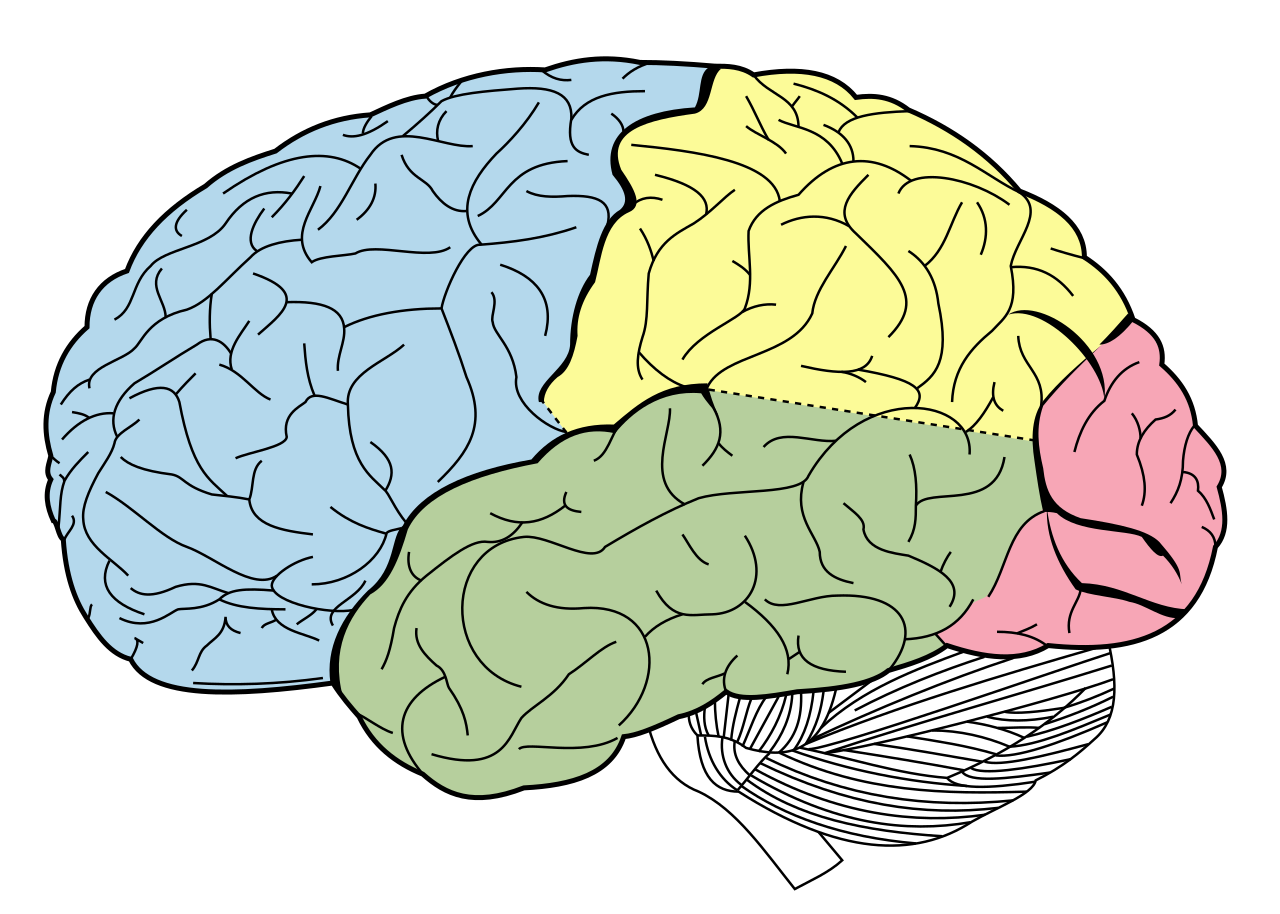
Executive function refers to a set of higher-order cognitive processes that control and regulate other cognitive abilities and behaviors. These skills, often likened to a conductor leading an orchestra, are crucial for goal-directed behavior, problem-solving, and adapting to new situations. Key components include working memory, inhibitory control, and cognitive flexibility, all orchestrated by the prefrontal cortex. Deficits in executive function can manifest in difficulties with planning, organization, impulse control, and emotional regulation, impacting academic, social, and professional life. Understanding these functions is vital for interventions in learning disabilities, ADHD, and neurological conditions.
🧠 What is Executive Function?
Executive Function (EF) is the high-level cognitive toolkit that orchestrates our thoughts and actions to achieve goals. Think of it as the brain's conductor, directing attention, managing impulses, and adapting plans on the fly. It's not a single skill but a constellation of abilities, crucial for everything from planning a complex project to simply deciding what to eat for breakfast. Without robust EF, goal-directed behavior becomes a chaotic mess of distractions and impulsive decisions. Understanding EF is fundamental to grasping how humans navigate their environment and achieve desired outcomes.
🎯 Who Needs to Understand Executive Function?
Anyone aiming for greater self-control, improved academic or professional performance, or better interpersonal relationships will find value in understanding Executive Function. Parents and educators use EF principles to support children's development, while therapists and coaches employ them to help individuals overcome challenges. Professionals in fields like neuropsychology and cognitive psychology study EF extensively, but its practical implications extend to anyone seeking to optimize their own cognitive capabilities or assist others in doing so. It’s a universal human capacity, though its strength and development vary significantly.
🛠️ Core Components of Executive Function
The core components of Executive Function are generally agreed upon, though their precise boundaries can be debated. These include attentional control, the ability to focus and sustain attention; inhibitory control, the capacity to suppress irrelevant thoughts or actions; working memory, the ability to hold and manipulate information in mind; and cognitive flexibility, the capacity to switch between tasks or perspectives. These foundational skills enable higher-order functions like planning, problem-solving, and reasoning.
📈 The Development of Executive Function
Executive Function skills are not innate but develop significantly throughout childhood and adolescence, with continued refinement into early adulthood. Early childhood is a critical period for building these capacities, influenced by genetics, environment, and direct instruction. Experiences like play-based learning and structured activities play a vital role in shaping EF. Deficits in EF development can be linked to various developmental disorders, highlighting the importance of early intervention and support.
💡 Executive Function in Action
In practice, Executive Function is the engine behind everyday successes. Planning a multi-step task, like preparing a meal or writing a report, relies heavily on EF. Inhibitory control helps you resist the urge to check your phone during a meeting. Working memory allows you to follow a recipe or a set of instructions. Cognitive flexibility enables you to adapt when a plan goes awry, such as finding an alternative route when your usual path is blocked. These functions are constantly at play, often without conscious effort.
⚖️ Debates and Controversies in EF Research
While the core components of Executive Function are widely accepted, debates persist regarding their exact definition, measurement, and the extent to which they are distinct or overlapping. Some researchers argue for a more unified model of EF, while others emphasize the independence of specific components. The precise age at which EF skills fully mature is also a subject of ongoing research. Furthermore, the relationship between EF and broader constructs like intelligence and personality remains a fertile ground for investigation.
🚀 Enhancing Executive Function Skills
Improving Executive Function is achievable through targeted strategies and consistent practice. For children, this often involves engaging in activities that require planning, problem-solving, and self-regulation, such as board games, puzzles, and structured play. For adults, techniques like mindfulness meditation, time management strategies, and breaking down large tasks into smaller, manageable steps can bolster EF. Consistent routines and minimizing distractions also contribute to stronger executive control.
📚 Key Researchers and Landmark Studies
Pioneering figures in the study of Executive Function include Alexander Luria, whose work on frontal lobe function laid early groundwork, and Miyake et al. (2000), whose influential study proposed a three-component model of EF (updating, shifting, inhibition). More recent work by researchers like Adele Diamond has focused on the development and enhancement of EF through interventions. Landmark studies often involve neuroimaging techniques and behavioral assessments to map EF processes in the brain.
❓ Frequently Asked Questions about EF
Executive Function is the brain's command center for goal-directed behavior. It encompasses skills like attention, inhibition, working memory, and flexibility. These skills develop throughout life, with critical periods in childhood. While core components are recognized, debates exist about their precise nature and interplay. Improving EF involves targeted practice and strategies like mindfulness and structured planning. Understanding EF is key for academic success, personal growth, and navigating complex tasks.
Key Facts
- Year
- 1975
- Origin
- The term 'executive function' was first popularized by psychologist Muriel D. Lezak in her 1975 book, 'Neuropsychological Assessment'.
- Category
- Cognitive Psychology
- Type
- Concept
Frequently Asked Questions
What's the difference between basic and higher-order executive functions?
Basic executive functions are the foundational skills like attention, inhibition, and working memory. Higher-order executive functions, such as planning, problem-solving, and reasoning, require the coordinated use of these basic skills. Think of the basic functions as the individual instruments in an orchestra, and the higher-order functions as the symphony itself, requiring all instruments to play together harmoniously.
Can executive function be improved in adults?
Absolutely. While EF develops significantly in childhood, it remains malleable throughout adulthood. Engaging in mentally challenging activities, practicing mindfulness, implementing structured planning techniques, and ensuring adequate sleep and exercise can all contribute to strengthening executive function skills in adults. Consistency is key to seeing lasting improvements.
How does ADHD relate to executive function deficits?
Executive function deficits are a hallmark characteristic of ADHD. Individuals with ADHD often struggle with inhibitory control (impulsivity), working memory (difficulty holding information), and attentional control (distractibility). While not all EF deficits are indicative of ADHD, they are a significant area of overlap and a focus of treatment strategies.
Is there a single test for executive function?
No, there isn't one single test. Executive function is a complex set of skills, and its assessment typically involves a battery of neuropsychological tests designed to measure specific components like inhibition (e.g., Stroop task), working memory (e.g., digit span), and cognitive flexibility (e.g., Wisconsin Card Sorting Test). Performance on these varied tasks provides a profile of an individual's EF strengths and weaknesses.
How do environmental factors influence executive function development?
Environmental factors play a crucial role. Supportive, stimulating environments that encourage exploration, provide opportunities for structured play, and offer consistent guidance can foster strong EF development. Conversely, chronic stress, neglect, or chaotic environments can impede the development of these critical cognitive skills, particularly during early childhood.