
Contents
- 📚 Introduction to Education Disparities
- 📊 The Numbers Behind Education Disparities
- 🏫 School Funding and Resource Inequality
- 👩🏫 Teacher Quality and Distribution
- 📝 Curriculum and Assessment Bias
- 🚫 The Impact of Education Disparities on Social Mobility
- 🌎 Global Perspectives on Education Disparities
- 📈 Strategies for Addressing Education Disparities
- 🤝 Community Engagement and Partnerships
- 📊 Measuring Progress and Evaluating Impact
- 🚀 Future Directions for Education Equity
- Frequently Asked Questions
- Related Topics
Overview
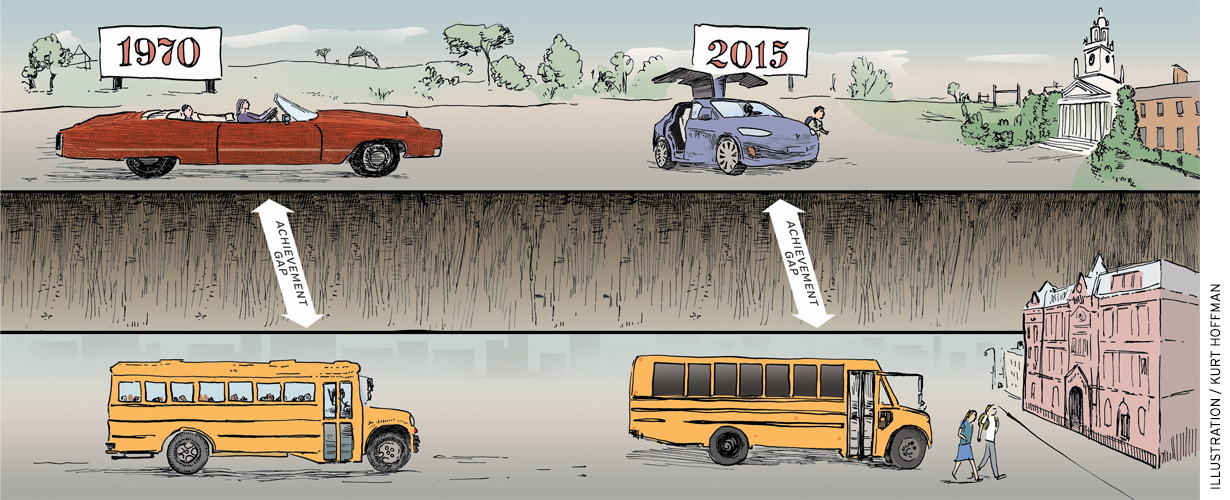
Education disparities refer to the unequal distribution of educational resources, opportunities, and outcomes among different groups of students, often along lines of race, ethnicity, socioeconomic status, and geographic location. According to a report by the National Center for Education Statistics (2020), the high school graduation rate for white students in the United States was 89%, compared to 76% for Black students and 81% for Hispanic students. The roots of these disparities are complex and multifaceted, involving factors such as inadequate funding, lack of access to quality teachers, and systemic biases in education policy. For instance, a study by the Economic Policy Institute (2019) found that schools in low-income districts receive approximately $1,200 less per student than schools in affluent districts. The consequences of education disparities are far-reaching, with long-term effects on individuals' career prospects, earning potential, and overall well-being. As noted by education scholar Diane Ravitch (2010), the persistence of education disparities undermines the very foundation of the American dream, which promises equal opportunities for all. To address these disparities, policymakers and educators must work together to develop targeted solutions, such as increased funding for under-resourced schools, teacher training programs, and community-based initiatives that support student success.
📚 Introduction to Education Disparities
Education disparities refer to the unequal distribution of educational resources, opportunities, and outcomes among different groups of students, often based on their race, ethnicity, socioeconomic status, or geographic location. This issue is a persistent threat to social mobility, as it can limit the potential of disadvantaged students and perpetuate cycles of poverty. According to the Education Policy Institute, education disparities are a major contributor to the Achievement Gap in the United States. The No Child Left Behind Act was enacted to address this issue, but its effectiveness has been debated among Education Reform advocates. To understand the complexities of education disparities, it is essential to examine the historical context of Education in the United States.
📊 The Numbers Behind Education Disparities
The numbers behind education disparities are staggering. According to the National Center for Education Statistics, in 2020, the high school graduation rate for white students was 89%, compared to 76% for black students and 81% for Hispanic students. The College Board reports that in 2020, only 34% of low-income students took Advanced Placement (AP) exams, compared to 64% of high-income students. These disparities are often perpetuated by School Funding formulas that favor affluent districts. The Every Student Succeeds Act aims to address these issues, but its implementation has been challenging. To better understand the data, it is crucial to explore the Education Data available and how it informs Education Policy.
🏫 School Funding and Resource Inequality
School funding and resource inequality are significant contributors to education disparities. Schools in affluent areas often have more resources, better facilities, and higher-quality teachers, while schools in low-income areas struggle to provide basic necessities. The School Funding Formula used in many states perpetuates these inequalities. For example, the New York City Department of Education has been criticized for its funding formula, which favors schools in wealthier districts. To address these issues, some districts have implemented Weighted Student Funding formulas, which allocate more resources to schools serving disadvantaged students. The National Education Association has been a strong advocate for Equitable Funding for all schools.
👩🏫 Teacher Quality and Distribution
Teacher quality and distribution are critical factors in education disparities. Research has shown that high-quality teachers can significantly improve student outcomes, but these teachers are often concentrated in affluent schools. The Teacher Shortage in many districts exacerbates this issue, leaving disadvantaged schools with inexperienced or unqualified teachers. The Teach for America program has been both praised and criticized for its efforts to address this issue. To improve teacher quality and distribution, some districts have implemented Teacher Residency Programs, which provide training and support for new teachers. The American Federation of Teachers has been a strong advocate for Teacher Professional Development.
📝 Curriculum and Assessment Bias
Curriculum and assessment bias can also perpetuate education disparities. The Common Core State Standards Initiative has been criticized for its narrow focus on standardized testing, which can disadvantage students from diverse backgrounds. The College Board has faced criticism for its AP exam fees, which can be a barrier for low-income students. To address these issues, some schools have implemented Culturally Relevant Pedagogy, which incorporates diverse perspectives and experiences into the curriculum. The National Council of Teachers of English has been a strong advocate for Diverse Text Selection in the classroom.
🌎 Global Perspectives on Education Disparities
Global perspectives on education disparities offer valuable insights into the complexities of this issue. The Organisation for Economic Co-operation and Development (OECD) has found that education disparities are a persistent challenge in many countries, including the United Kingdom and Australia. The United Nations has recognized the importance of Quality Education in achieving the Sustainable Development Goals. To address education disparities, many countries have implemented Education Reform initiatives, such as the Finnish Education System, which has been praised for its emphasis on equity and inclusivity. The World Bank has been a strong advocate for Education for All initiatives, which aim to increase access to quality education worldwide.
📈 Strategies for Addressing Education Disparities
Strategies for addressing education disparities are multifaceted and require a comprehensive approach. The U.S. Department of Education has implemented initiatives such as Title I and Race to the Top, which aim to support disadvantaged schools and students. The National Education Association has advocated for Community Schools, which provide wraparound services and support for students and families. To improve teacher quality and distribution, some districts have implemented Teacher Coaching programs, which provide ongoing support and professional development for teachers. The Carnegie Foundation for the Advancement of Teaching has been a strong advocate for Teacher Collaboration and Professional Learning Communities.
🤝 Community Engagement and Partnerships
Community engagement and partnerships are essential for addressing education disparities. The Harvard Family Research Project has found that family and community engagement can significantly improve student outcomes. The National Parent Teacher Association has been a strong advocate for Parent Engagement and Family Involvement in education. To build partnerships, some schools have implemented Business-Education Partnerships, which provide resources and support for students and teachers. The United Way has been a strong advocate for Corporate Social Responsibility in education.
📊 Measuring Progress and Evaluating Impact
Measuring progress and evaluating impact are critical for addressing education disparities. The National Assessment of Educational Progress (NAEP) provides a comprehensive picture of student achievement in the United States. The Education Trust has been a strong advocate for Data-Driven Instruction, which uses data to inform teaching and learning. To evaluate impact, some districts have implemented Randomized Control Trials, which provide rigorous evidence of program effectiveness. The What Works Clearinghouse has been a strong advocate for Evidence-Based Practice in education.
🚀 Future Directions for Education Equity
Future directions for education equity require a commitment to addressing the root causes of education disparities. The U.S. Department of Education has recognized the importance of Social-Emotional Learning and Trauma-Informed Practice in supporting student well-being and academic success. The National Education Association has advocated for Restorative Justice and Culturally Relevant Pedagogy as key strategies for addressing education disparities. To achieve education equity, it is essential to examine the Intersectionality of education disparities and other social justice issues, such as Racial Justice and Economic Justice.
Key Facts
- Year
- 2020
- Origin
- United States
- Category
- Social Justice
- Type
- Social Issue
Frequently Asked Questions
What are education disparities?
Education disparities refer to the unequal distribution of educational resources, opportunities, and outcomes among different groups of students, often based on their race, ethnicity, socioeconomic status, or geographic location. These disparities can result in significant differences in academic achievement, high school graduation rates, and college completion rates. According to the Education Policy Institute, education disparities are a major contributor to the Achievement Gap in the United States. The No Child Left Behind Act was enacted to address this issue, but its effectiveness has been debated among Education Reform advocates.
What are the causes of education disparities?
The causes of education disparities are complex and multifaceted. They include factors such as School Funding formulas that favor affluent districts, Teacher Shortage in disadvantaged schools, and Curriculum and Assessment Bias that can disadvantage students from diverse backgrounds. Additionally, Poverty and Systemic Racism can perpetuate education disparities by limiting access to resources and opportunities. The National Education Association has been a strong advocate for Equitable Funding for all schools.
How can education disparities be addressed?
Addressing education disparities requires a comprehensive approach that involves multiple stakeholders and strategies. This can include initiatives such as Title I and Race to the Top, which aim to support disadvantaged schools and students. Additionally, Community Engagement and Partnerships between schools, families, and community organizations can help to build trust and provide resources and support for students. The U.S. Department of Education has recognized the importance of Social-Emotional Learning and Trauma-Informed Practice in supporting student well-being and academic success.
What is the impact of education disparities on social mobility?
The impact of education disparities on social mobility is profound. Students who attend under-resourced schools are less likely to graduate from college, secure high-paying jobs, or achieve economic mobility. The Pew Research Center reports that in 2020, only 22% of low-income students completed a bachelor's degree, compared to 53% of high-income students. The Brookings Institution has found that education disparities are a major contributor to the Racial Wealth Gap in the United States. To address these issues, it is essential to examine the Education to Employment Pipeline and identify areas for improvement.
What are some strategies for addressing education disparities?
Some strategies for addressing education disparities include Teacher Coaching programs, which provide ongoing support and professional development for teachers. Additionally, Community Schools that provide wraparound services and support for students and families can help to address the root causes of education disparities. The Carnegie Foundation for the Advancement of Teaching has been a strong advocate for Teacher Collaboration and Professional Learning Communities.
How can community engagement and partnerships help to address education disparities?
Community engagement and partnerships can help to address education disparities by providing resources and support for students and teachers. The Harvard Family Research Project has found that family and community engagement can significantly improve student outcomes. The National Parent Teacher Association has been a strong advocate for Parent Engagement and Family Involvement in education. To build partnerships, some schools have implemented Business-Education Partnerships, which provide resources and support for students and teachers.
What is the role of data and evaluation in addressing education disparities?
Data and evaluation play a critical role in addressing education disparities. The National Assessment of Educational Progress (NAEP) provides a comprehensive picture of student achievement in the United States. The Education Trust has been a strong advocate for Data-Driven Instruction, which uses data to inform teaching and learning. To evaluate impact, some districts have implemented Randomized Control Trials, which provide rigorous evidence of program effectiveness. The What Works Clearinghouse has been a strong advocate for Evidence-Based Practice in education.