
Contents
Overview
The genesis of beer brewing stretches back to ancient Mesopotamia, ancient Egypt, and ancient China. Early brewing was likely accidental, a result of grain left to soak in water, which then fermented naturally. Ninkasi was a goddess of beer. The Egyptians brewed a thick, nutritious beer, often consumed as a daily staple, and it played a role in religious rituals. In Europe, brewing was a cornerstone of monastic life during the Middle Ages, with monasteries like Weihenstephan Abbey becoming centers of brewing innovation. The development of hops as a primary flavoring and preservative agent gained traction in Northern Europe. The Reinheitsgebot, or German Beer Purity Law, enacted in Bavaria in 1516, mandated only water, barley, and hops as ingredients, a testament to the established importance of precise brewing practices.
⚙️ How It Works
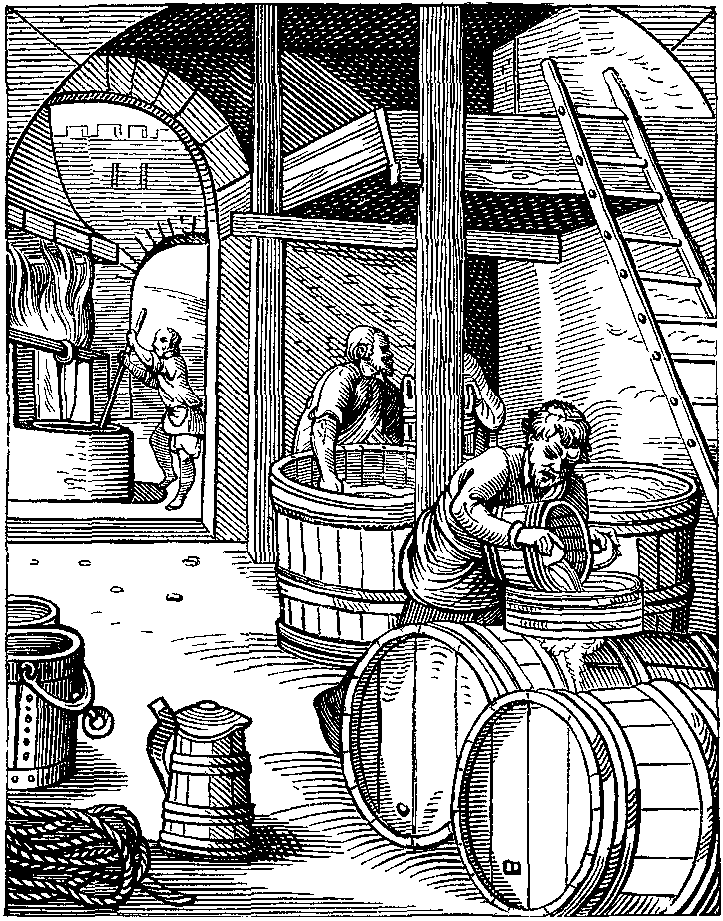
The modern beer brewing process is a sophisticated interplay of biology and chemistry. It commences with malting, where cereal grains are steeped in water, allowed to germinate, and then dried or kilned. This process activates enzymes that will later convert starches into sugars. Next, the malt is milled and mixed with hot water in the mash tun during the mashing phase. Here, the enzymes break down starches into fermentable sugars like maltose, creating a sweet liquid called wort. This wort is then transferred to a brew kettle and boiled. Hops are added during the boil for bitterness, flavor, aroma, and as a natural preservative. After boiling, the wort is rapidly cooled to fermentation temperature and transferred to a fermenter. Brewer's yeast is pitched, consuming the sugars and producing alcohol and carbon dioxide. Finally, the beer undergoes conditioning, which can involve lagering (cold storage), filtering, and carbonation, before packaging into bottles, cans, or kegs.
📊 Key Facts & Numbers
The global beer market is a colossal economic force, projected to reach over $250 billion USD by 2025. Globally, China is the largest beer-consuming nation. The average American adult consumes about 2.6 gallons (around 9.8 liters) of beer per year, though this varies significantly by region and demographic. A single pint of beer, roughly 16 ounces, contains an average of 150-200 calories and about 13-15 grams of carbohydrates. The brewing process itself requires substantial water resources; it's estimated that it takes approximately 3-5 liters of water to produce 1 liter of beer, highlighting water efficiency as a key metric for breweries. The alcohol content, or ABV, of most beers ranges from 4% to 6%, but can extend from as low as 0.5% for non-alcoholic varieties to over 12% for strong ales and imperial stouts.
👥 Key People & Organizations
Key figures in brewing history include Louis Pasteur, whose work on fermentation revolutionized understanding of yeast and microbial spoilage, leading to pasteurization. Anton Dreher is credited with popularizing the Vienna lager style. In the modern craft beer movement, figures like Fritz Maytag, often called the 'father of American craft brewing', and Ken Grossman, founder of Sierra Nevada Brewing Co., have been instrumental. Major brewing corporations like Anheuser-Busch InBev and Heineken dominate the global market, controlling a vast network of brands and production facilities. Organizations such as the Brewers Association in the US and the European Beer Consumers Union advocate for brewers and consumers, while institutions like the Siebel Institute of Technology and the Institute of Brewing & Distilling offer specialized education and certifications for brewing professionals.
🌍 Cultural Impact & Influence
Beer brewing is deeply interwoven with human culture, influencing social gatherings, religious ceremonies, and economic development for millennia. From ancient Sumerian hymns to the goddess Ninkasi to the communal spirit of a modern pub, beer has fostered social bonds. The rise of distinct beer styles—like the Pilsner originating in Bohemia, the IPA with its colonial roots, or the Belgian Trappist ales—reflects regional histories, agricultural products, and brewing innovations. The craft beer revolution, beginning in earnest in the late 20th century, has further diversified beer culture, encouraging exploration and appreciation of complex flavors and aromas. Beer festivals, such as Germany's Oktoberfest and the Great American Beer Festival, draw millions, celebrating the diversity and artistry of brewing. The imagery and language of brewing—hops, malt, yeast, fermentation—have permeated art, literature, and everyday conversation, solidifying beer's place in the global cultural lexicon.
⚡ Current State & Latest Developments
The brewing industry in 2024 is characterized by dynamic shifts. While major multinational corporations like Anheuser-Busch InBev continue to consolidate market share, the craft beer segment, though facing headwinds like increased competition and rising costs, remains a vibrant engine of innovation. We're seeing a significant trend towards lower-alcohol and non-alcoholic beers, driven by consumer health consciousness. Breweries are increasingly focusing on sustainability, implementing water recycling programs and reducing energy consumption. The rise of contract brewing and the proliferation of microbreweries and nano-breweries continue to democratize access to brewing, allowing for hyper-local and experimental offerings. Data analytics and advanced brewing technology are also becoming more prevalent, enabling brewers to achieve greater consistency and explore novel flavor profiles. The market for hard seltzers and other ready-to-drink (RTD) beverages, while perhaps past its peak, continues to influence the broader alcoholic beverage landscape.
🤔 Controversies & Debates
The brewing process is not without its controversies and debates. Historically, the Reinheitsgebot, while celebrated for purity, has been criticized for limiting ingredient diversity and potentially acting as a trade barrier. The role of adjuncts—like corn and rice—in mass-produced beers is a perennial point of contention among beer enthusiasts, with purists often favoring beers made solely from barley malt. Water usage in brewing is a significant environmental concern, leading to debates about sustainable practices and the true 'water footprint' of beer production. Furthermore, the aggressive marketing tactics of large brewing conglomerates, particularly towards younger demographics, have drawn criticism. The classification of beer styles itself is often debated, with new hybrid styles constantly emerging, blurring traditional lines and sparking discussions about authenticity and evolution within the brewing community. The increasing prevalence of 'craft washing,' where large corporations acquire or market brands to appear artisanal, also fuels debate about transparency and genuine craft.
🔮 Future Outlook & Predictions
The future of beer brewing appears to be one of continued innovation and adaptation. Expect further growth in the low- and no-alcohol beer sector, driven by evolving consumer preferences and regulatory shifts. Sustainability will remain a paramount concern, pushing breweries to adopt more efficient water and energy management systems, potentially utilizing renewable energy sources and advanced wastewater treatment. The integration of artificial intelligence and machine learning in bre
Key Facts
- Category
- technology
- Type
- topic