
Contents
Overview
Björk Guðmundsdóttir, known mononymously as Björk, is a singular force in contemporary music, an artist whose career defies easy categorization. Emerging from Iceland's fertile post-punk scene in the late 1970s, she first gained international attention with the band The Sugarcubes before launching a solo career in the early 1990s that would redefine electronic music, avant-garde pop, and visual artistry. Her work is characterized by a restless sonic exploration, deeply personal and often abstract lyrical themes, and groundbreaking music videos that have cemented her status as a cultural icon. Björk’s influence extends far beyond music, impacting fashion, visual arts, and technological innovation.
Across her discography, which includes seminal albums like Debut (1993), Post (1995), Homogenic (1997), and Vespertine (2001), Björk has consistently pushed boundaries. She collaborates with a diverse range of producers and visual artists, from Nellee Hooper and Arca to directors like Michel Gondry and Chris Cunningham. Her music often merges electronic beats with orchestral arrangements, found sounds, and her distinctive, emotive vocal delivery, creating soundscapes that are both alien and profoundly human. This commitment to innovation has earned her critical acclaim and a devoted global following, though her unconventional approach has also led to debates about accessibility and artistic intent.
Björk's career is a testament to the power of artistic autonomy. She maintains fierce control over her creative output, often developing intricate conceptual frameworks for her albums and accompanying visual projects. Her work is not merely listened to; it is experienced, often through immersive live performances and meticulously crafted visual albums like Biophilia (2011), which explored the intersection of music, nature, and technology. Her ongoing exploration of digital mediums, including her groundbreaking app-based album and VR experiences, positions her as a prescient voice in the evolving landscape of digital art and performance.
🎬 From Post-Punk to Pop Icon
Björk's musical journey began in earnest in the early 1980s, first with the punk band Exid 45 and then the post-punk group Kukl, before she achieved wider recognition with The Sugarcubes in the late 80s. Their success, particularly the hit "Candi" (1988), provided a platform for her eventual solo career. Moving to London in 1990, she quickly immersed herself in the burgeoning electronic music scene, working with producers like Nellee Hooper to craft her debut solo album, Debut (1993). This album, released on One Little Indian, signaled a radical departure from her previous work, embracing dance music, trip-hop, and a more personal lyrical style, setting the stage for her future sonic experiments and establishing her as a unique voice in the global music scene.
📖 A Discography of Innovation
Her solo discography is a masterclass in artistic evolution. Albums like Post (1995) showcased her versatility, incorporating elements of industrial, jazz, and even opera, with iconic music videos directed by Michel Gondry for "Human Behaviour" and "Army of Me". Homogenic (1997) saw her return to Iceland for inspiration, blending electronic beats with string arrangements to create a sound that was both intensely personal and geographically rooted, exemplified by tracks like "Jóga" and "Bachelorette." Vespertine (2001) was an intimate, beatless exploration of domesticity and love, featuring delicate microbeats and lush vocal arrangements. Later works, such as Medúlla (2004) and Volta (2007), continued to push sonic boundaries, exploring a cappella and world music influences respectively. Her commitment to conceptual art is evident in projects like Biophilia (2011), an exploration of music, nature, and technology that was released as an app suite, and Vulnicura (2015), a raw and emotionally devastating album about heartbreak, accompanied by VR experiences.
🏆 Critical Acclaim & Cultural Impact
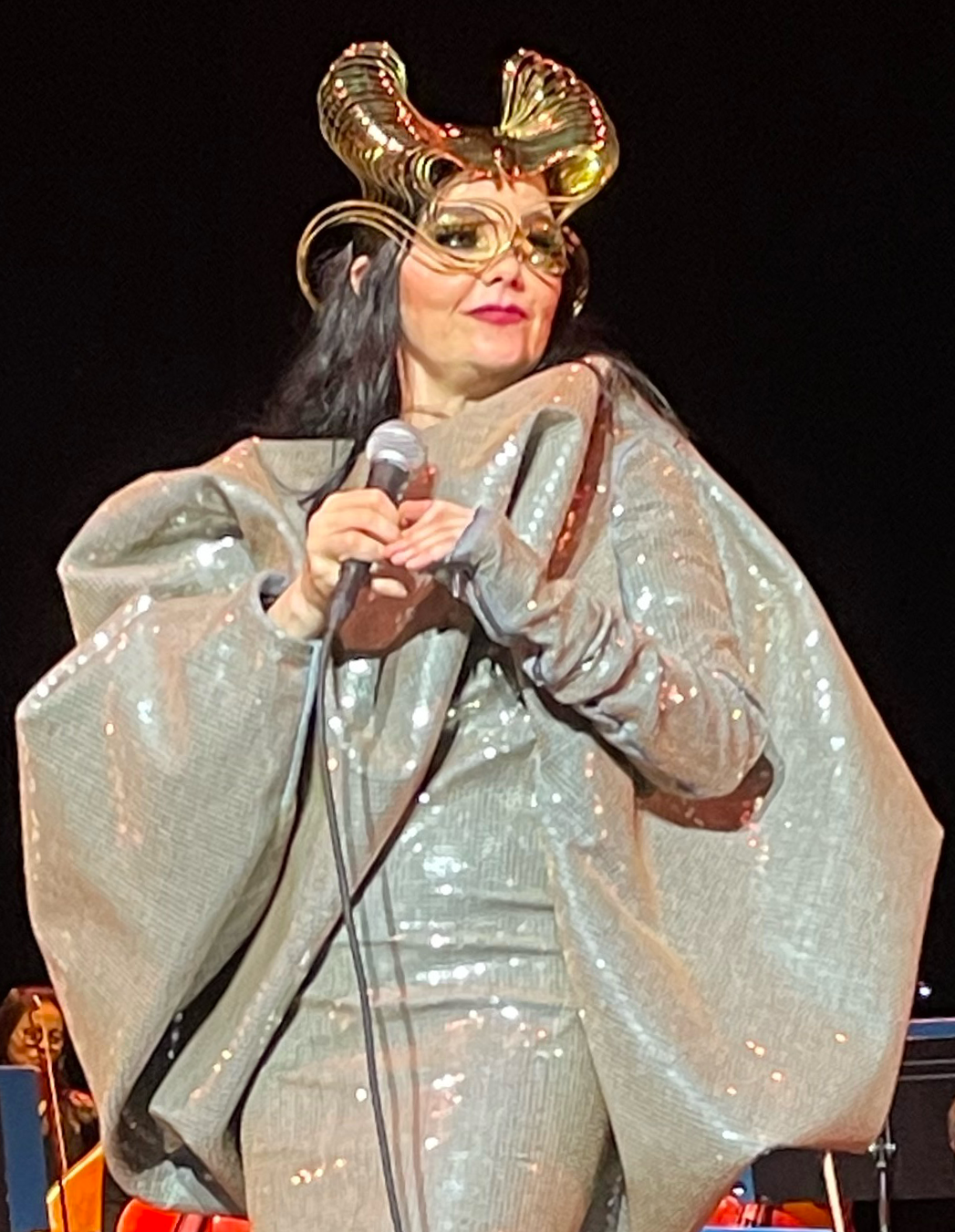
Björk's impact on music and culture is profound and multifaceted. Critically, her work has been lauded for its originality and emotional depth, earning her numerous awards, including multiple BRIT Awards and Mercury Prize nominations. Her visual aesthetic, often in collaboration with visionary directors and fashion designers like Alexander McQueen, has set trends and pushed the boundaries of music video as an art form. Her influence can be traced in the work of countless artists exploring electronic music, experimental pop, and avant-garde visual expression. Despite eschewing traditional pop formulas, Björk has achieved significant commercial success, with her albums consistently charting worldwide and selling millions of copies. This sustained relevance, over decades of artistic reinvention, speaks to the enduring power of her unique vision.
✨ Enduring Legacy & Artistic Evolution
The legacy of Björk is one of uncompromising artistic integrity and relentless innovation. She is not merely a musician but a multidisciplinary artist who has consistently engaged with new technologies and artistic mediums. Her pioneering use of digital platforms, from the Biophilia app to her VR projects for Utopia (2017) and Fossora (2022), demonstrates a forward-thinking approach that has inspired a generation of artists to explore the possibilities of digital creation. Her influence is palpable in the works of artists like FKA twigs, Grimes, and James Blake, all of whom owe a debt to her willingness to experiment and forge her own path. Björk continues to be a vital and relevant figure, her career a living testament to the potential for artistic evolution and enduring cultural impact.
Key Facts
- Year
- 1982-present
- Origin
- Iceland/United Kingdom
- Category
- videos
- Type
- youtube-creator
Frequently Asked Questions
What are Björk's most influential albums?
Seminal albums often cited include 'Debut' (1993), 'Post' (1995), 'Homogenic' (1997), and 'Vespertine' (2001), though her entire discography is highly regarded for its artistic merit.
Who are Björk's most frequent collaborators?
Key collaborators include directors Michel Gondry and Chris Cunningham, producers Arca and Nellee Hooper, and fashion designer Alexander McQueen.
What makes Björk's music unique?
Her unique vocal delivery, experimental electronic soundscapes, deeply personal and often abstract lyrics, and her commitment to integrating music with visual art and technology set her apart.
Has Björk won any major awards?
While she has received numerous accolades, including multiple MTV Video Music Awards and Brit Awards, she has notably never won a Grammy Award, a fact that has often been discussed by critics and fans.
What is 'Biophilia'?
'Biophilia' is a multimedia project by Björk that includes an album, a series of apps, and educational workshops, exploring the relationship between music, nature, and technology.